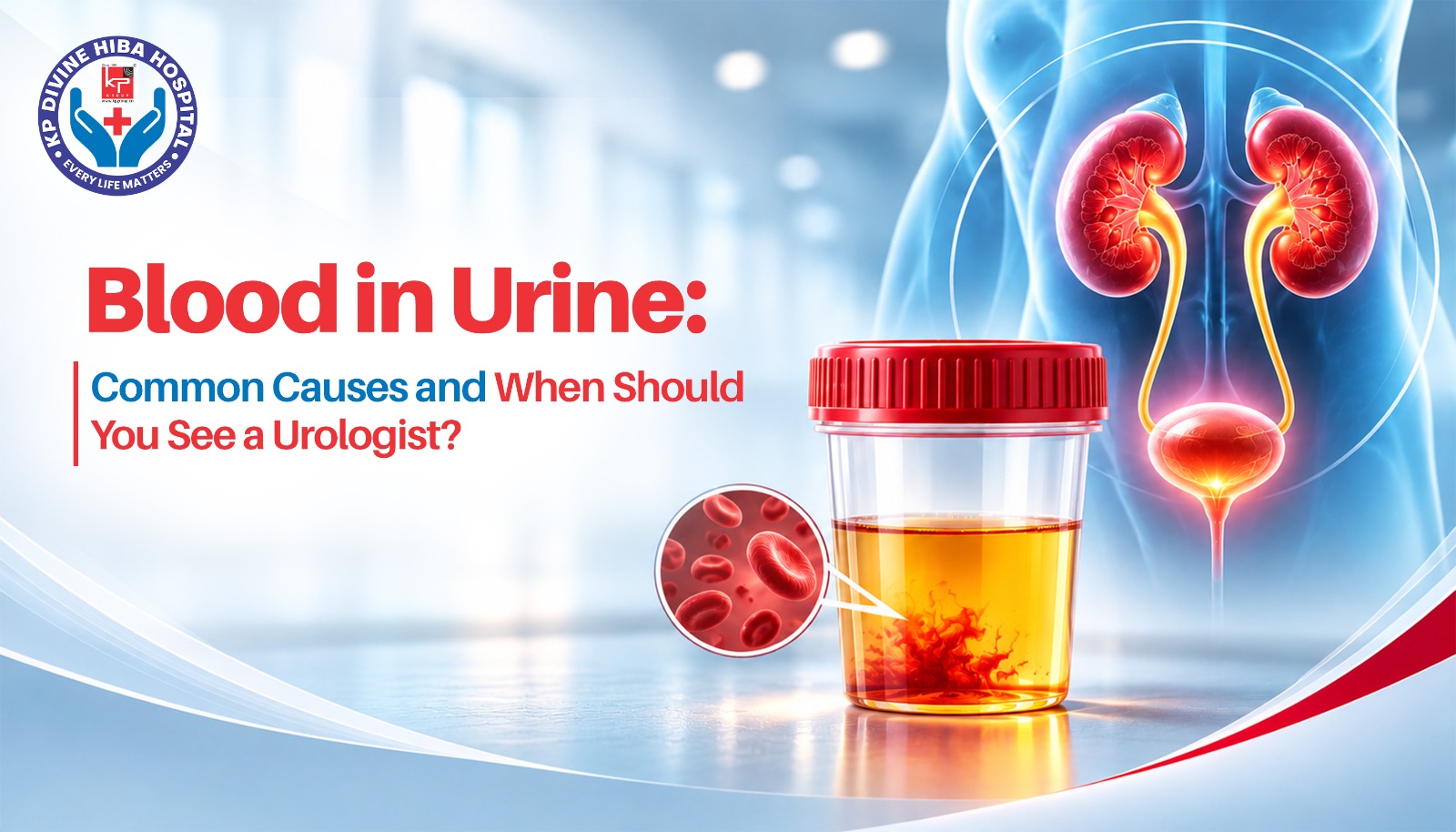
Blood in Urine: Common Causes and When Should You See a Urologist?
Noticing blood in your urine can be frightening. Whether your urine appears pink, red, brownish or contains small blood clots, it is something you should never ignore. Even if there is no pain or discomfort, blood in the urine may indicate an underlying health problem that needs medical attention.
The medical term for blood in urine is Haematuria (Hematuria). It can occur due to several reasons, ranging from urinary tract infections and kidney stones to prostate-related conditions and, in some cases, serious diseases affecting the urinary system.
Sometimes, blood in urine is clearly visible, while in other cases, it can only be detected through a urine test. Understanding the possible causes, associated symptoms and available treatment options can help you take the right steps at the right time.
So, what causes blood in urine? Is it always a sign of a serious condition? And when should you consult a urologist?
Let's understand.
1. Understanding Blood in Urine (Haematuria)
Blood in urine, medically known as haematuria, occurs when red blood cells are present in the urine. Normally, urine does not contain visible amounts of blood. When blood enters the urinary system, it may change the colour of urine or become detectable during laboratory testing.
Haematuria is generally classified into two types:
Gross Haematuria (Visible Blood in Urine)
This happens when blood is visible to the naked eye. Your urine may appear:
-
Pink or light red.
-
Bright red.
-
Dark red or brownish.
-
Cloudy or discoloured due to blood.
Even a small amount of blood can noticeably change urine colour. Visible blood should always be medically evaluated, even if it happens only once.
Microscopic Haematuria (Invisible Blood in Urine)
In this condition, blood is present in the urine but cannot be seen without a microscope. It is usually discovered during a routine urine examination or health check-up.
Although microscopic haematuria may not cause noticeable symptoms, it can sometimes indicate an underlying kidney or urinary tract problem.
Important: Blood in urine is a symptom, not a disease itself. Identifying its underlying cause is essential for choosing the right treatment.
2. Common Causes of Blood in Urine
Several conditions can cause blood to appear in the urine. The source may be anywhere in the urinary system, including the kidneys, ureters, bladder or urethra.
Here are some common causes of haematuria.
1. Urinary Tract Infection (UTI)
A urinary tract infection occurs when bacteria enter the urinary system and cause infection. It commonly affects the bladder and urethra.
Inflammation caused by the infection can sometimes lead to bleeding.
Common symptoms include:
-
Burning sensation while passing urine.
-
Frequent urge to urinate.
-
Pain or discomfort in the lower abdomen.
-
Cloudy or foul-smelling urine.
-
Blood in urine.
UTIs are generally treatable with appropriate medication prescribed by a doctor. However, delaying treatment can sometimes allow the infection to spread towards the kidneys.
2. Kidney Stones
Kidney stones are hard deposits formed when minerals and salts accumulate inside the kidneys. These stones may move through the urinary tract and cause irritation or damage to the surrounding tissues.
This can result in blood appearing in the urine.
Other symptoms may include:
-
Severe pain in the back or side.
-
Pain that spreads towards the lower abdomen or groin.
-
Nausea and vomiting.
-
Pain while urinating.
-
Frequent urination.
The treatment for kidney stones depends on their size, location and severity. Some stones pass naturally, while others may require medical or surgical procedures.
3. Bladder Stones
Bladder stones develop when minerals in concentrated urine form hard deposits inside the bladder. They may occur when the bladder does not empty completely.
Common symptoms include:
-
Blood in urine.
-
Pain in the lower abdomen.
-
Difficulty passing urine.
-
Interrupted urine flow.
-
Frequent urination.
A urologist can evaluate the condition and recommend suitable treatment.
4. Kidney Infections
A kidney infection, also known as pyelonephritis, occurs when bacteria reach one or both kidneys, often from an untreated urinary tract infection.
It can cause inflammation and bleeding in the urinary system.
Possible symptoms include:
-
Fever and chills.
-
Pain in the back or side.
-
Nausea or vomiting.
-
Burning sensation during urination.
-
Blood in urine.
Kidney infections require timely medical treatment to prevent complications.
5. Enlarged Prostate (BPH)
Benign Prostatic Hyperplasia (BPH) is a condition in which the prostate gland becomes enlarged. It commonly affects ageing men.
An enlarged prostate can press against the urethra and affect the normal flow of urine. In some cases, it may also cause bleeding.
Common symptoms include:
-
Weak urine stream.
-
Difficulty starting urination.
-
Frequent urination, especially at night.
-
Feeling that the bladder has not emptied completely.
-
Blood in urine in some cases.
A urologist can assess prostate health and recommend medication or other treatments depending on the condition.
6. Bladder or Kidney Cancer
Although not every case of blood in urine indicates cancer, it can sometimes be an early warning sign of bladder or kidney cancer.
One important feature is that bleeding may occur without pain or other noticeable symptoms.
Possible warning signs include:
-
Repeated episodes of visible blood in urine.
-
Changes in urination habits.
-
Persistent discomfort in the lower back or abdomen.
-
Unexplained weight loss in some cases.
Smoking, increasing age and certain occupational chemical exposures can increase the risk of bladder cancer.
Early medical evaluation is important because identifying these conditions at an earlier stage can improve treatment options.
7. Injury or Trauma to the Urinary System
An injury involving the kidneys, bladder or other parts of the urinary tract may cause internal bleeding.
This can happen due to:
-
Accidents or falls.
-
Sports-related injuries.
-
Physical trauma to the abdomen or lower back.
-
Certain medical procedures involving the urinary system.
Blood in urine following an injury should be assessed promptly by a doctor.
8. Certain Medications and Other Medical Conditions
Some medications, including blood thinners, may make bleeding more noticeable. Certain kidney diseases, inherited conditions and intense physical activity can also be associated with haematuria.
However, blood-thinning medication should not automatically be considered the cause of bleeding. An underlying urinary tract problem still needs to be ruled out.
Never stop prescribed medication without consulting your doctor.
9. Kidney Disease
Certain kidney conditions, such as glomerulonephritis, can damage the tiny filtering units inside the kidneys. This may allow blood cells to enter the urine.
Other symptoms may include:
-
Swelling around the eyes, feet or ankles.
-
High blood pressure.
-
Foamy urine.
-
Changes in urination.
-
Unexplained tiredness.
Kidney-related causes of haematuria may require evaluation by a nephrologist, sometimes along with a urologist.
3. When Should You See a Urologist for Blood in Urine?
One of the biggest mistakes people make is waiting for the bleeding to stop before seeking medical advice.
Even if you notice blood only once, it is important to consult a doctor. Blood in urine without pain should also be investigated because certain urinary conditions, including bladder and kidney cancers, may not cause discomfort during their early stages.
Consult a urologist if you experience:
-
Visible blood in urine, even without pain.
-
Repeated episodes of pink, red or brown urine.
-
Burning or pain while passing urine.
-
Frequent urination or difficulty emptying your bladder.
-
Pain in the lower abdomen, back or sides.
-
Blood clots in urine.
-
Recurrent urinary tract infections.
-
Difficulty starting or maintaining a urine stream.
When is it an emergency?
Seek immediate medical attention if you experience:
-
Heavy bleeding or large blood clots in urine.
-
Inability to pass urine.
-
Severe abdominal, back or side pain.
-
Blood in urine accompanied by high fever and chills.
-
Dizziness, fainting or severe weakness along with bleeding.
These symptoms may indicate a serious infection, urinary blockage or significant bleeding that needs urgent assessment.
4. How Is Blood in Urine Diagnosed?
Finding the exact cause of blood in urine is important because treatment depends on the underlying condition. A urologist may recommend different investigations based on your age, symptoms, medical history and risk factors.
Common diagnostic tests include:
1. Urine Examination
A urinalysis helps detect red blood cells, infection, protein and other abnormalities in the urine.
A urine culture may also be recommended if a urinary tract infection is suspected.
2. Blood Tests
Blood tests help assess kidney function, identify signs of infection and evaluate other possible medical conditions.
3. Ultrasound
An ultrasound of the kidneys and urinary bladder helps identify kidney stones, bladder stones, structural abnormalities and certain urinary obstructions.
4. CT Scan
A CT scan may be recommended to examine the kidneys, ureters and bladder in greater detail. It can help detect stones, tumours and other abnormalities.
5. Cystoscopy
Cystoscopy is a procedure in which a thin instrument with a camera is gently passed through the urethra to examine the inside of the bladder.
It helps doctors identify possible sources of bleeding, including bladder stones, inflammation and abnormal growths.
Not every patient needs all these tests. Your urologist will decide which investigations are appropriate for your condition.
People also may Memory Problems With Age related medical information: Memory Problems With Age: What's Normal and What Isn't?
5. Treatment Options for Blood in Urine
There is no single treatment for haematuria because the approach depends on what is causing the bleeding.
Some common treatment options include:
-
UTI treatment: Antibiotics may be prescribed when a bacterial infection is confirmed or strongly suspected.
-
Kidney stone treatment: Small stones may pass naturally with medical guidance, while larger stones may require procedures such as ureteroscopy or other stone-removal treatments.
-
Enlarged prostate treatment: Depending on the severity, treatment may include medication or procedures such as TURP (Transurethral Resection of the Prostate).
-
Bladder stone treatment: Medication or endoscopic procedures may be recommended depending on the size and location of the stones.
-
Kidney disease management: Treatment focuses on the specific kidney condition and may require specialist care.
-
Cancer treatment: If a tumour is detected, treatment may involve surgery, medication or other cancer-specific therapies.
Early diagnosis can help prevent complications and ensure that patients receive appropriate treatment.
6. Can Blood in Urine Be Prevented?
Not all causes of blood in urine can be prevented. However, maintaining good urinary and kidney health may help reduce the risk of certain conditions.
Here are some useful habits:
-
Drink enough water: Stay hydrated throughout the day to support normal kidney function.
-
Do not ignore urinary infections: Seek medical advice if you experience burning, frequent urination or other UTI symptoms.
-
Maintain a healthy diet: Follow a balanced diet and discuss dietary changes with your doctor if you have a history of kidney stones.
-
Avoid holding urine for long periods: Respond to the urge to urinate instead of regularly delaying it.
-
Manage existing health conditions: Keep conditions such as diabetes and high blood pressure under control.
-
Get regular health check-ups: Routine examinations can help identify certain health concerns before they become more complicated.
Most importantly, never ignore visible blood in urine or depend on home remedies to treat unexplained bleeding.
7. Why Choose KP Divine Hiba Hospital for Urological Care in Surat?
When dealing with blood in urine, choosing the right hospital is an important step towards identifying the cause and receiving appropriate treatment.
KP Divine Hiba Hospital, Surat, provides comprehensive urological care with experienced specialists, modern diagnostic support and patient-focused treatment.
Here is what makes the hospital a trusted choice for urological consultations and treatment:
Experienced Urology Specialist
The hospital has a dedicated urology specialist, Dr. Sajid Makbul Nurbhai (MBBS, MS General Surgery, MCh Urology), who provides consultation and treatment for various kidney, bladder and prostate-related conditions.
Comprehensive Urological Treatments
Patients can receive medical and surgical care for several urological conditions, including:
-
Kidney, ureter and bladder stones.
-
Enlarged prostate and prostate-related problems.
-
Blood in urine (Haematuria).
-
Urinary tract disorders.
-
Bladder-related conditions.
-
Urinary obstruction and other urological problems.
Advanced Surgical Facilities
The hospital provides facilities for procedures such as cystoscopy, TURP, TUR-BT, urethroplasty and minimally invasive urological surgery, depending on the patient's condition.
Advanced Diagnostic Support
Accurate diagnosis plays an important role in effective treatment. The hospital offers diagnostic and laboratory support to help doctors evaluate urinary and kidney-related health concerns.
Patient-Centred and Compassionate Care
From the initial consultation to diagnosis, treatment and recovery, the focus remains on patient comfort, safety and personalised medical attention.
With 33+ medical specialities, NABH accreditation, modern operation theatres, ICU facilities and 24/7 emergency care, KP Divine Hiba Hospital aims to make quality healthcare accessible to patients and families.
Conclusion
Blood in urine is not something you should ignore, even if it occurs only once or does not cause pain. While conditions such as urinary tract infections and kidney stones are common causes, it can sometimes indicate more serious problems involving the kidneys, bladder or prostate.
The key is to identify the underlying cause through proper medical evaluation rather than assuming the bleeding will disappear on its own.
If you notice blood in your urine, consult a urologist without delay. Timely diagnosis, appropriate treatment and regular medical follow-ups can help protect your urinary health and prevent potential complications.
Choose KP Divine Hiba Hospital, Surat, for expert urological consultation, advanced diagnostic facilities, comprehensive treatment options and compassionate patient care.
Don't wait for symptoms to worsen. Book your consultation with the urology specialist at KP Divine Hiba Hospital.
Book an Appointment: 96249 93768
24/7 Emergency Helpline: 63579 70711
Need personal guidance?
Book a consultation with the right specialist at KP Divine Hiba Hospital.