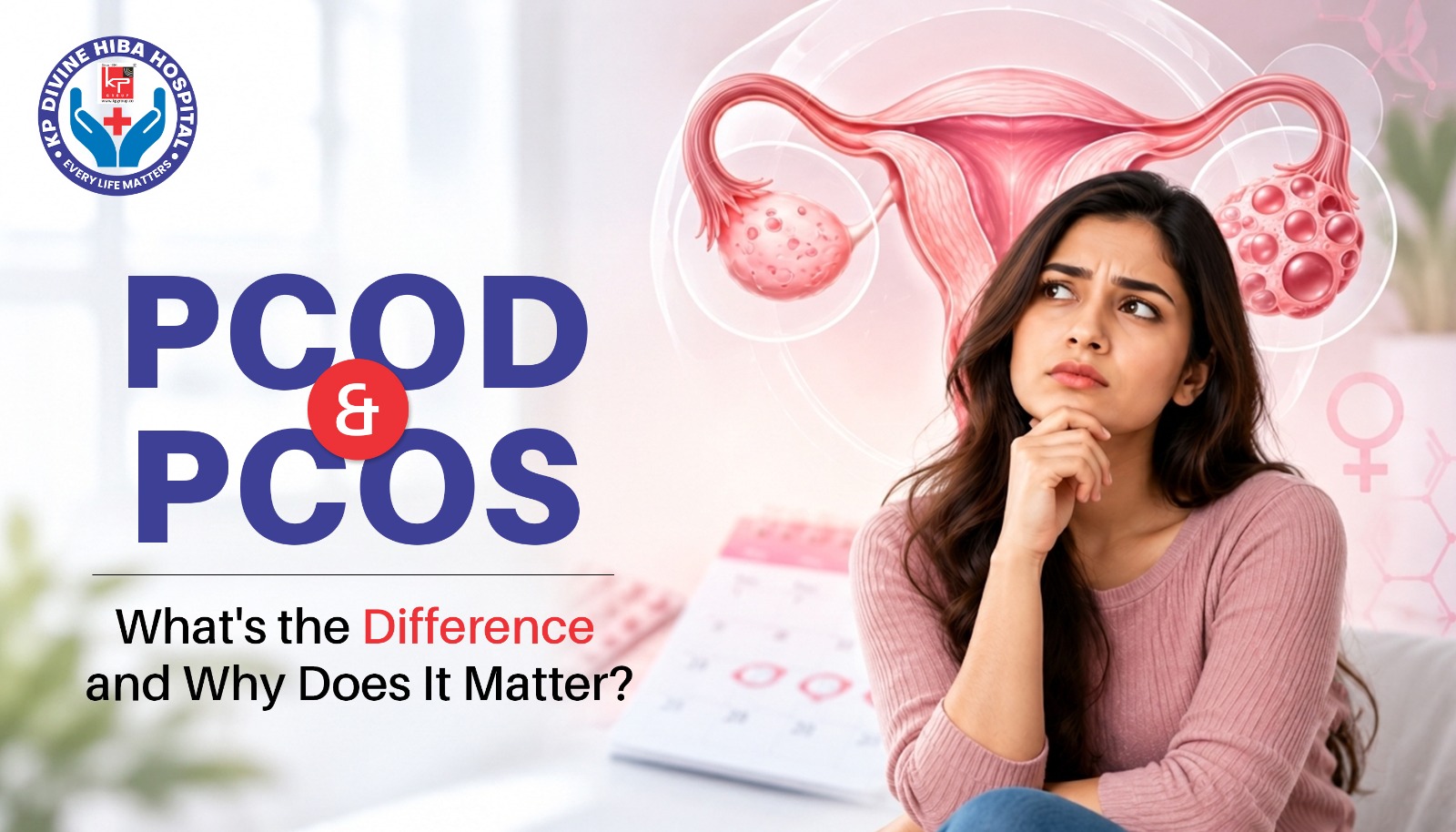
PCOD vs. PCOS: What's the Difference and Why Does It Matter?
Introduction
Irregular periods, acne, unexplained weight gain, and unwanted facial hair can be frustrating, especially when you do not know what is causing them. If you have searched for these symptoms online, you may have come across two terms: PCOD and PCOS.
Many women use these terms interchangeably. Both are associated with hormonal and reproductive health concerns, and some of their symptoms can look similar. However, PCOS is a recognised medical condition, while PCOD is a commonly used term that does not have a universally standardised medical definition.
Understanding PCOD vs. PCOS matters because menstrual irregularities and hormonal symptoms can have different causes. The right diagnosis helps you understand what is happening in your body and what kind of treatment or long-term care you may need.
The good news is that both PCOD-like symptoms and polycystic ovary syndrome (PCOS) can often be managed with appropriate medical guidance and lifestyle changes.
In this blog, we explain the difference between PCOD and PCOS, their symptoms, possible causes, diagnosis, treatment options, and when you should consult a doctor.
What Is PCOD?
PCOD stands for Polycystic Ovarian Disease. It is a commonly used term, particularly in India, to describe ovarian and hormonal changes associated with symptoms such as irregular periods, acne, weight changes, or difficulties with ovulation.
However, PCOD is not a universally standardised diagnostic category in current international medical guidelines. A doctor may use the term informally, but it is important to establish the specific condition responsible for your symptoms.
The ovaries normally release an egg during ovulation as part of the menstrual cycle. When ovulation does not happen regularly, periods may become irregular or unpredictable.
Some women may also have changes in androgen levels. Androgens are hormones present in all women, although they are generally found at lower levels than in men. Higher androgen levels or increased sensitivity to these hormones may contribute to acne and unwanted facial hair.
Despite the name, ovarian cysts are not necessarily present in every woman described as having PCOD. The small structures seen on an ovarian ultrasound may actually be follicles, which are normal fluid-filled structures involved in egg development.
Common symptoms associated with PCOD include:
-
Irregular or delayed menstrual periods.
-
Acne and oily skin.
-
Unwanted facial or body hair.
-
Weight gain or difficulty managing weight.
-
Difficulty predicting ovulation.
These symptoms should not automatically be attributed to PCOD. Thyroid disorders, elevated prolactin levels, stress, and other conditions can also affect menstrual cycles.
What Is PCOS?
PCOS stands for Polycystic Ovary Syndrome. It is a common hormonal and metabolic condition that can affect menstrual cycles, ovulation, skin health, and fertility.
PCOS can present differently from one woman to another. Some women primarily experience irregular periods, while others notice acne, increased facial hair, or metabolic concerns such as insulin resistance.
PCOS is not simply a condition involving ovarian cysts. It is a syndrome, meaning that it is identified through a combination of clinical features and appropriate medical assessment.
In adults, a diagnosis is generally based on the presence of at least two of the following three features, after other causes have been excluded:
-
Irregular or absent ovulation: This often appears as irregular, infrequent, or missing periods.
-
Clinical or biochemical hyperandrogenism: Signs of higher androgen activity, such as excess facial hair, or blood tests showing elevated androgen levels.
-
Polycystic ovarian appearance on ultrasound: A particular pattern of follicles in the ovaries.
An ultrasound is not always necessary to diagnose PCOS. If a woman has irregular ovulation and clear evidence of hyperandrogenism, a doctor may be able to establish the diagnosis without it.
In adolescents, diagnosis requires greater care because irregular cycles and acne can be part of normal puberty. Adult diagnostic criteria should not be applied without considering age and stage of development.
PCOS may also be associated with insulin resistance, an increased risk of type 2 diabetes, and changes in cholesterol levels. These risks vary between individuals, so regular health assessment is important.
PCOD vs. PCOS: What Is the Difference?
The main difference is that PCOS is a medically recognised syndrome with established diagnostic criteria, whereas PCOD is a commonly used term whose meaning can vary between healthcare settings.
The two terms are often used to describe overlapping symptoms, but they should not automatically be treated as separate conditions with completely different causes or levels of severity.
Key Differences Between PCOD and PCOS
|
Feature |
PCOD |
PCOS |
|
Medical terminology |
Commonly used term without a universally standardised definition |
Recognised hormonal and metabolic syndrome |
|
Menstrual cycle |
Irregular periods may occur |
Irregular or absent ovulation is common |
|
Hormonal changes |
May be associated with hormonal symptoms |
Androgen excess may be present |
|
Ovarian appearance |
May be described as having multiple follicles |
Polycystic ovarian appearance may be one diagnostic feature |
|
Metabolic health |
Depends on the underlying condition |
Insulin resistance and metabolic risks may be associated |
|
Diagnosis |
Requires clarification of the specific underlying problem |
Uses established diagnostic criteria after excluding other causes |
|
Treatment |
Depends on the actual cause and symptoms |
Tailored to symptoms, health risks, and pregnancy goals |
It is important to remember that this comparison does not mean PCOD is always mild and PCOS is always severe. The term PCOD is used inconsistently, and symptoms alone cannot reliably distinguish one from the other.
If you have been told that you have PCOD, ask your doctor what the diagnosis means in your specific case and whether further evaluation for PCOS or another condition is appropriate.
Common Symptoms of PCOD and PCOS
Although the terms are often used differently, many symptoms associated with PCOD and PCOS overlap. The symptoms may also change with age and hormonal patterns.
1. Irregular Periods
Menstrual cycles that are consistently irregular, unusually long, or absent for several months may indicate problems with ovulation.
Irregular periods can have several causes, including PCOS, thyroid disorders, stress, and significant weight changes. A medical assessment can help identify the reason.
2. Acne and Oily Skin
Higher androgen activity can increase oil production in the skin, contributing to persistent acne, particularly around the chin and jawline.
If acne continues despite routine skincare, especially alongside irregular periods or increased facial hair, consider discussing hormonal causes with a doctor.
3. Unwanted Facial Hair and Hair Thinning
Some women develop coarse hair on the chin, upper lip, or chest. Others experience thinning hair on the scalp.
These symptoms can be associated with increased androgen activity. Sudden or rapidly progressing hair growth, especially with other significant physical changes, requires prompt medical evaluation.
4. Weight Changes and Insulin Resistance
Some women with PCOS experience difficulty managing their weight or develop insulin resistance, which means the body does not respond to insulin as effectively as it should.
However, PCOS can affect women of every body size. Being overweight is not necessary for a diagnosis, and weight alone cannot determine whether someone has PCOS.
5. Fertility and Ovulation Problems
Irregular ovulation may make it harder to predict fertile days and conceive. However, a PCOS diagnosis does not mean that pregnancy is impossible.
Many women with PCOS conceive naturally, while others may benefit from medical support to improve ovulation. Treatment depends on individual circumstances and pregnancy goals.
How Are PCOD and PCOS Diagnosed?
If you have symptoms of PCOD or PCOS, your doctor may recommend a combination of medical history, physical examination, and appropriate tests.
The evaluation may include:
-
Menstrual history: Understanding your cycle length, missed periods, and changes over time.
-
Hormone blood tests: Assessing androgen levels and checking for other hormonal conditions when indicated.
-
Thyroid and prolactin tests: Helping rule out other causes of irregular periods.
-
Blood glucose and cholesterol tests: Assessing metabolic health, particularly when PCOS is suspected.
-
Pelvic ultrasound: Examining the ovaries and reproductive organs when clinically necessary.
Not every woman needs every test. An ultrasound alone cannot confirm PCOS, and the presence of multiple ovarian follicles does not automatically mean you have the syndrome.
Avoid self-diagnosing based on online symptom checklists or ultrasound reports. A gynaecologist can interpret the findings in the context of your age, symptoms, and medical history.
PCOD and PCOS Treatment: What Are Your Options?
There is no single treatment suitable for every woman with PCOD-like symptoms or PCOS. The treatment plan depends on the underlying diagnosis, the symptoms causing concern, metabolic health, and whether you are planning a pregnancy.
1. Lifestyle and Dietary Changes
Balanced nutrition, regular physical activity, adequate sleep, and sustainable daily habits can support hormonal and metabolic health.
Helpful steps include:
-
Eating balanced meals with vegetables, protein, whole grains, and healthy fats.
-
Choosing fibre-rich foods and limiting excessive intake of highly processed foods.
-
Exercising regularly through activities you enjoy.
-
Maintaining a consistent sleep schedule.
-
Seeking support for stress management.
If weight management is relevant to your health, a doctor or qualified dietitian can help you set realistic goals without restrictive or extreme diets.
2. Medication for Menstrual Irregularities
Depending on your symptoms and medical history, a doctor may prescribe hormonal contraception or other medication to help regulate bleeding and protect the uterine lining when periods are very infrequent.
The appropriate medicine varies from person to person. Do not start hormonal tablets without medical advice.
3. Treatment for Acne and Excess Hair Growth
Depending on the severity of symptoms, treatment may include hormonal medication, dermatological care, or other prescribed options.
Some medicines used for androgen-related symptoms are unsuitable during pregnancy, so it is important to discuss contraception and pregnancy plans with your doctor.
4. Treatment for Fertility Concerns
Women experiencing difficulty conceiving because of irregular ovulation may benefit from fertility evaluation and treatment.
For women with PCOS-related anovulatory infertility and no other identified infertility factors, letrozole is generally recommended as the first-line medicine for inducing ovulation, when appropriate and prescribed by a specialist.
The treatment plan should be individualised rather than based on the diagnosis alone.
5. Monitoring Long-Term Health
PCOS may be associated with an increased risk of type 2 diabetes, high cholesterol, and problems involving the uterine lining when periods are very infrequent.
Your doctor may recommend regular monitoring based on your individual risk factors. This helps address potential complications while supporting your overall well-being.
When Should You Consult a Gynaecologist?
Do not ignore persistent menstrual or hormonal changes simply because they are common.
Consider booking a gynaecology appointment if:
-
Your periods are repeatedly irregular or absent.
-
You have persistent acne along with menstrual changes.
-
You notice increasing facial hair or scalp hair thinning.
-
You are trying to conceive but have irregular cycles.
-
You have been diagnosed with PCOD or PCOS and need a treatment review.
-
You have concerns about blood sugar, cholesterol, or other metabolic health risks.
Seek prompt medical attention if you experience very heavy bleeding, severe pelvic pain, fainting, or sudden, significant hormonal changes. These symptoms should not automatically be attributed to PCOD or PCOS.
Why Choose KP Divine Hiba Hospital for PCOD and PCOS Care?
Understanding hormonal health begins with having your concerns heard and your symptoms properly assessed. At KP Divine Hiba Hospital, Surat, women can seek gynaecological consultation for PCOD, menstrual irregularities, fertility concerns, and other reproductive health problems.
The hospital lists PCOD diagnosis and treatment, menstrual care, infertility support, and women's wellness consultations among its gynaecology services. <Link url="https://kpdivinehibahospital.com/special-treatments" title="Explore gynaecology and women's health services"/>.
With access to gynaecology consultations and diagnostic services, patients can discuss their symptoms, understand the investigations they may need, and receive guidance on appropriate next steps.
A patient-focused approach is important because hormonal concerns can affect more than physical health. Irregular periods, acne, changes in appearance, and fertility worries can also cause emotional stress. Clear explanations, individualised care, and follow-up support can help women feel more confident about managing their health.
For women looking for PCOD treatment in Surat or guidance about PCOS symptoms, KP Divine Hiba Hospital provides a point of contact for discussing available services and arranging a consultation.
To learn more, visit the official KP Divine Hiba Hospital website.
Conclusion: Understanding the Difference Is the First Step
PCOD and PCOS are often used interchangeably, but the terminology is not identical. PCOS is a recognised hormonal and metabolic syndrome, while PCOD is a commonly used term that can have different meanings across healthcare settings.
Both terms may be associated with irregular periods, acne, unwanted facial hair, and ovulation problems. However, these symptoms can also occur because of other medical conditions.
The most important step is to understand what is causing your symptoms rather than relying on labels alone. With appropriate diagnosis, personalised treatment, and regular follow-up, many women can manage their symptoms and protect their long-term health.
Take charge of your hormonal health with the right medical guidance. If you are experiencing irregular periods, acne, unwanted hair growth, or concerns about PCOD or PCOS, contact KP Divine Hiba Hospital to enquire about a gynaecology consultation.
Visit KP Divine Hiba Hospital to explore women's health services and take the next step towards informed, compassionate care.
Need personal guidance?
Book a consultation with the right specialist at KP Divine Hiba Hospital.